


 Cart
Cart
 sales@molnova.com



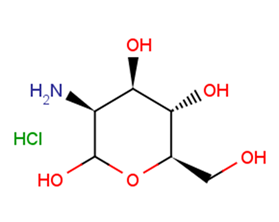
D-Mannosamine hydrochloride
CAS No. 5505-63-5
D-Mannosamine hydrochloride( —— )
Catalog No. M19630 CAS No. 5505-63-5
A pharmaceutical compound used in the development of mannosylated liposomes for bioadhesive oral drug delivery via M cells of Peyer’s patches.
Purity : >98% (HPLC)
 COA
Datasheet
HNMR
HPLC
MSDS
Handing Instructions
COA
Datasheet
HNMR
HPLC
MSDS
Handing Instructions
| Size | Price / USD | Stock | Quantity |
| 200MG | 26 | In Stock |


|
| 500MG | Get Quote | In Stock |
|
| 1G | Get Quote | In Stock |
|
Biological Information
-
Product NameD-Mannosamine hydrochloride
-
NoteResearch use only, not for human use.
-
Brief DescriptionA pharmaceutical compound used in the development of mannosylated liposomes for bioadhesive oral drug delivery via M cells of Peyer’s patches.
-
DescriptionA pharmaceutical compound used in the development of mannosylated liposomes for bioadhesive oral drug delivery via M cells of Peyer’s patches.
-
In Vitro——
-
In Vivo——
-
Synonyms——
-
PathwayOthers
-
TargetOther Targets
-
RecptorOthers
-
Research Area——
-
Indication——
Chemical Information
-
CAS Number5505-63-5
-
Formula Weight215.63
-
Molecular FormulaC6H14ClNO5
-
Purity>98% (HPLC)
-
SolubilityDMSO:10 mM
-
SMILESCl.N[C@@H]1C(O)O[C@H](CO)[C@@H](O)[C@@H]1O
-
Chemical Name——
Shipping & Storage Information
-
Storage(-20℃)
-
ShippingWith Ice Pack
-
Stability≥ 2 years
Reference



-
Risuteganib hydrochl...
Risuteganib hydrochloride is an anti-integrin that downregulates oxidative stress and restores homeostasis, and targets three integrin receptors that are implicated in dry age-related macular degeneration (AMD) in order to restore homeostasis in the retina.
-
Tilavonemab
Tilavonemab (ABBV-8E12), a humanized anti-tau antibody, targets amino acids 25-30 near the tau protein's N-terminal end. It inhibits the uptake of tau aggregates by human and mouse neurons and diminishes brain atrophy, making it a potential tool in Alzheimer's disease research .
-
Valeroyl Salicylate
Valeroyl Salicylate is a non-steroidal anti-inflammatory agent and can lead to extension of lifespan, delays age-dependent decline of locomotor activity, and increases stress resistance.
